

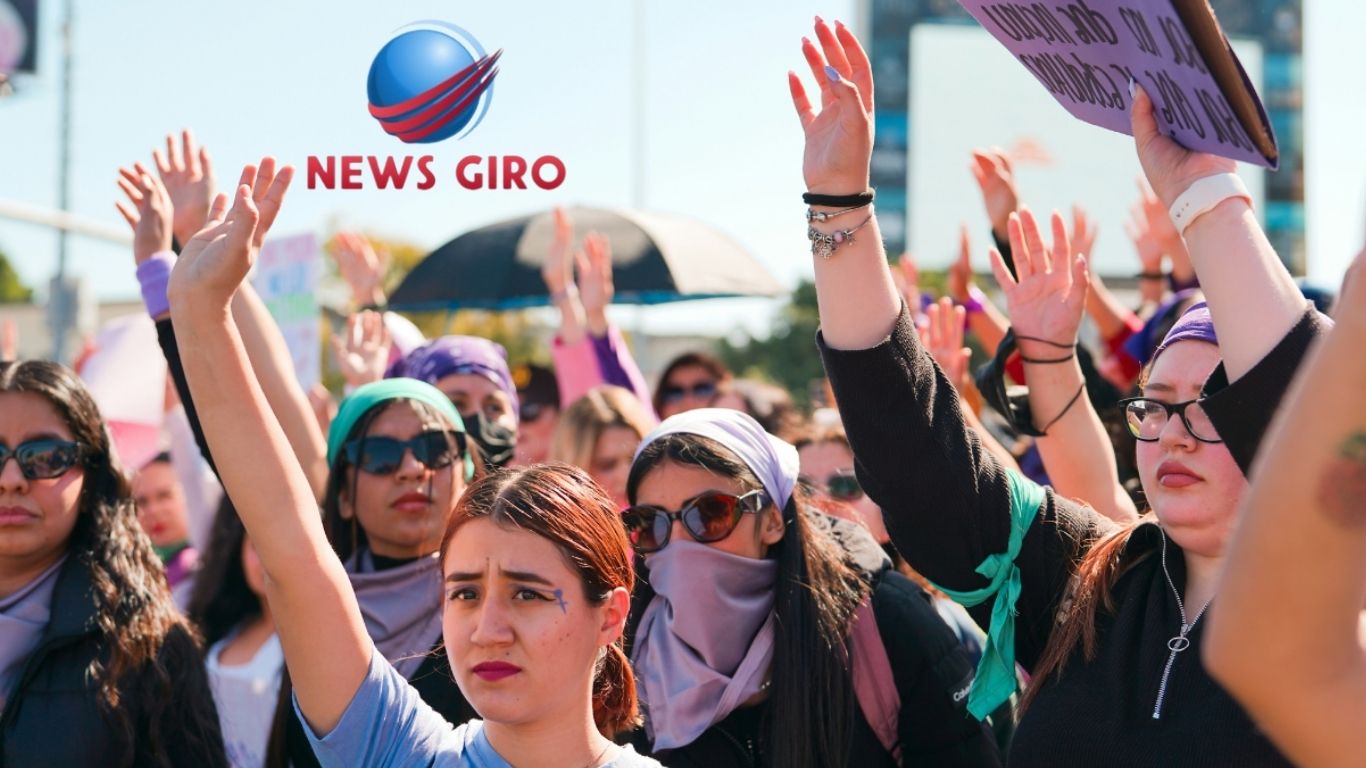
Youth play a critical role in shaping modern political systems across the world. As societies evolve through technological advancement, globalization, and social transformation, young people are becoming more influential in political participation, policy-making, activism, and democratic development. The energy, creativity, and digital connectivity of youth make them a powerful force in addressing social, economic, and political challenges.
In the 21st century, modern political systems increasingly depend on youth engagement to maintain democratic values, encourage innovation, and ensure sustainable governance. From voting and political campaigns to social movements and digital activism, young citizens are redefining how politics operates in contemporary societies.
Importance of Youth in Modern Political Systems
Youth represent a significant percentage of the global population. Their participation in political systems is essential for national progress and democratic stability. Young people bring fresh ideas, technological awareness, and progressive thinking that can transform outdated political structures.
Youth as Agents of Change
Young people often challenge traditional political norms and advocate for social justice, equality, human rights, and environmental sustainability. Throughout history, youth-led movements have played major roles in political revolutions and democratic reforms.
Modern youth are more educated and connected than previous generations. Through social media and digital platforms, they can organize campaigns, spread awareness, and influence public opinion rapidly.
Strengthening Democracy
Active youth participation strengthens democratic systems. When young citizens vote, join political discussions, and engage in policymaking, governments become more representative and accountable.
Democracy thrives when all age groups participate equally. Youth involvement ensures that political decisions reflect the needs and aspirations of future generations.
Innovation in Governance
Youth bring innovation and creativity into politics. Their understanding of technology and modern communication tools helps governments improve public engagement and transparency.
Young leaders often support digital governance, online public services, and modern policy solutions that improve efficiency and citizen participation.
Youth Participation in Politics
Youth participation in politics can take many forms beyond voting. Modern political systems encourage young people to engage through activism, political parties, public debates, community service, and leadership programs.
Voting and Electoral Participation
Voting is one of the most important ways youth contribute to political systems. Young voters influence election outcomes and encourage political parties to address issues such as education, employment, climate change, and digital rights.
However, youth voter turnout remains low in many countries due to political distrust, lack of awareness, or limited access to political education. Governments and educational institutions must encourage civic education to increase youth participation in elections.
Factors Encouraging Youth Voting
- Access to political education
- Transparent electoral systems
- Youth-friendly political campaigns
- Digital voter awareness programs
- Representation of youth interests in political agendas
Role of Youth in Political Activism
Political activism has become one of the most visible forms of youth engagement in modern political systems. Young people actively participate in protests, social movements, and advocacy campaigns to demand change.
Social Justice Movements
Youth often lead movements related to racial equality, gender rights, education reform, and human rights. Their activism pressures governments to respond to public concerns and implement reforms.
Climate Change Advocacy
Climate change has become a major issue driven largely by youth activism. Young activists worldwide demand stronger environmental policies and sustainable development practices.
Their activism demonstrates how youth can influence global political discussions and international policymaking.
Digital Activism
Social media platforms have revolutionized political activism. Young people use digital platforms to:
- Raise awareness
- Organize campaigns
- Mobilize supporters
- Share political information
- Challenge misinformation
Youth Leadership in Governance
Modern political systems increasingly recognize the importance of youth leadership. Many countries now encourage young leaders to participate in local councils, parliaments, and government institutions.
Benefits of Youth Leadership
Fresh Perspectives
Young leaders introduce innovative solutions to economic, social, and technological challenges.
Better Representation
Youth leaders better understand the concerns of younger populations, including unemployment, education, mental health, and digital freedom.
Long-Term Vision
Young politicians often focus on long-term development strategies that benefit future generations.
Challenges Facing Youth in Political Systems
Despite their importance, young people face several barriers in political participation and leadership.
Lack of Political Representation
In many countries, political systems are dominated by older generations. Young people often struggle to access leadership positions due to limited opportunities and political experience.
Economic Challenges
Unemployment, poverty, and financial instability can discourage youth from participating in politics. Many young citizens prioritize economic survival over political involvement.
Political Distrust
Corruption, weak governance, and unfulfilled promises create distrust among youth toward political institutions. This can lead to political apathy and low voter turnout.
Limited Civic Education
A lack of political education prevents many young people from understanding their rights and responsibilities within democratic systems.
Social Media Misinformation
While digital platforms encourage participation, they also spread misinformation and political manipulation. Youth must learn to identify credible information sources.
The Impact of Technology on Youth Political Participation
Technology has transformed the relationship between youth and politics. Digital tools have made political engagement faster, easier, and more interactive.
Social Media and Political Awareness
Platforms like Facebook, X (formerly Twitter), Instagram, and TikTok allow young people to stay informed about political events and government policies.
Social media helps youth:
- Discuss political issues
- Connect with activists
- Participate in online campaigns
- Monitor government actions
- Encourage voter participation
Online Political Campaigns
Political parties increasingly use digital campaigns to attract young voters. Online campaigns use videos, live sessions, and interactive content to engage youth audiences.
E-Governance and Youth
Governments are adopting digital governance systems to improve communication with citizens. Youth play a key role in promoting transparency and digital participation.
Role of Educational Institutions in Political Awareness
Schools, colleges, and universities play an essential role in preparing youth for political participation.
Civic Education
Civic education teaches students about:
- Democracy
- Human rights
- Political systems
- Voting rights
- Constitutional values
Strong civic education encourages responsible citizenship and informed political engagement.
Student Organizations
Student unions and campus organizations help young people develop leadership and communication skills. These organizations often serve as training grounds for future political leaders.
Political Debates and Discussions
Educational institutions should encourage open political discussions and debates to promote critical thinking and democratic values.
Youth and Democracy
Youth participation is closely connected to the success of democracy. Democratic systems become stronger when young people actively engage in political processes.
Protecting Democratic Values
Young citizens often defend freedom of speech, equality, and human rights. Their activism helps protect democratic institutions from authoritarianism and corruption.
Promoting Inclusivity
Youth movements frequently support inclusive policies that benefit marginalized communities and promote social equality.
Encouraging Accountability
Young activists and voters hold political leaders accountable through protests, campaigns, and public criticism.
Global Examples of Youth Political Influence
Youth have influenced political systems worldwide through protests, elections, and social movements.
Arab Spring
Young people played a major role in the Arab Spring protests, using social media to organize demonstrations demanding political reforms.
Climate Activism
Youth-led climate movements have pressured governments to adopt stronger environmental policies and international climate agreements.
Student Movements
Student protests in different countries have influenced education policies, human rights reforms, and democratic transitions.
How Governments Can Encourage Youth Participation
Governments and political institutions must create opportunities for youth engagement.
Lowering Barriers to Political Participation
Governments should simplify voter registration processes and create youth-friendly political environments.
Expanding Civic Education
Educational reforms should strengthen political literacy and democratic awareness.
Supporting Youth Leadership Programs
Leadership training, internships, and mentorship programs can prepare young people for political roles.
Encouraging Digital Participation
Governments should use technology to involve youth in policymaking through online consultations and digital forums.
Promoting Inclusive Policies
Policies addressing education, employment, and social justice encourage greater youth trust in political systems.
Frequently Asked Questions
Why is youth participation important in modern political systems?
Youth participation is important because young people bring fresh ideas, innovation, and energy to politics. Their involvement strengthens democracy, promotes social change, and helps governments address issues affecting future generations.
How do young people influence political systems?
Young people influence political systems through voting, political activism, social media campaigns, protests, and participation in leadership roles. They also shape public opinion and encourage political reforms.
What challenges do youth face in politics?
Youth often face challenges such as lack of political representation, unemployment, limited civic education, and distrust in political institutions. These barriers can reduce political participation among young citizens.
How does social media help youth in politics?
Social media helps youth spread political awareness, organize campaigns, discuss social issues, and connect with global movements. It has become a powerful tool for digital activism and political engagement.
What is the role of youth in strengthening democracy?
Youth strengthen democracy by participating in elections, defending human rights, promoting equality, and holding leaders accountable. Active youth involvement makes political systems more inclusive and representative.
Conclusion
The role of youth in modern political systems is more important than ever before. Young people are not only future leaders but also active participants in shaping present political realities. Their energy, innovation, and commitment to social change strengthen democracy, promote accountability, and encourage progressive governance.
Despite challenges such as political exclusion, economic difficulties, and misinformation, youth continue to influence political systems through voting, activism, leadership, and digital engagement.Modern societies must recognize the value of youth participation and create opportunities for young citizens to contribute meaningfully to governance and policymaking. By empowering youth, nations can build stronger democracies, more inclusive political systems, and a better future for generations to come.
