

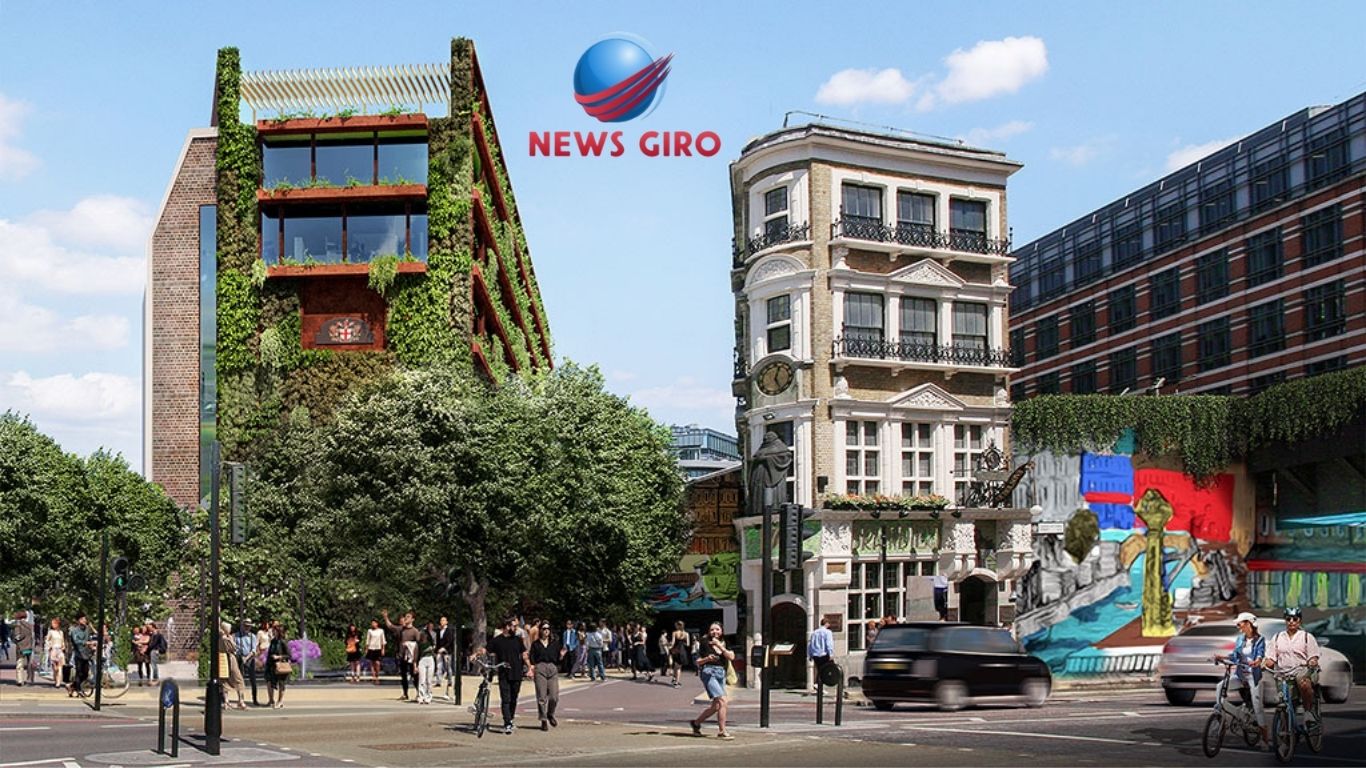
The modern world is witnessing a dramatic transformation in how people live, work, and interact especially in urban areas. Cities have always been centers of opportunity, innovation, and cultural exchange, but the pace of change in recent years has been unprecedented. From digital technology integration to shifting work cultures and lifestyle priorities, modern lifestyle changes in urban areas are reshaping human behavior at every level.
Today’s urban residents experience a lifestyle that is faster, more connected, and more convenience-driven than ever before. However, this transformation also brings new challenges such as stress, environmental concerns, and social isolation. This article explores the key changes shaping modern urban lifestyles and how they are influencing society as a whole.
Digital Transformation and Smart City Living
One of the most significant changes in urban lifestyles is the rise of digital technology. Cities are becoming smarter, more connected, and highly automated.
Smart Technology Integration
Modern cities now rely heavily on smart systems such as:
- Smart traffic management systems
- Automated public transport updates
- Digital payment systems
- AI-powered security surveillance
These technologies make urban living more efficient and convenient. People can now navigate cities, pay bills, and access services using their smartphones.
Rise of Digital Dependence
From ordering food online to attending virtual meetings, digital platforms have become an essential part of daily life. This shift has reduced physical effort but increased screen time, changing how people interact with the world around them.
Changing Work Culture and Remote Employment
Urban work culture has undergone a massive transformation, especially after the global shift toward remote and hybrid working models.
Remote and Hybrid Work Trends
Many professionals now work from home or split their time between office and remote locations. This change has led to:
- Flexible working hours
- Reduced commuting time
- Better work-life balance for many individuals
Gig Economy Growth
Urban areas have also seen the rise of freelancing and gig-based jobs. Platforms for ride-sharing, food delivery, and freelance services are now major employment sources.
Impact on Lifestyle
People are no longer tied to traditional 9-to-5 office routines, which has significantly changed daily schedules, spending habits, and even residential choices.
Urban Housing and Smart Apartments
Housing trends in cities have evolved due to population growth, rising costs, and technological advancements.
Compact Living Spaces
Due to high real estate prices, urban residents are increasingly moving toward:
- Studio apartments
- Co-living spaces
- High-rise apartments
These spaces are designed for efficiency rather than size.
Smart Homes
Modern apartments now include smart features such as:
- Automated lighting systems
- Voice-controlled devices
- Energy-efficient appliances
Transportation and Mobility Changes
Transportation in urban areas has also seen a major transformation.
Rise of Ride-Sharing Services
Traditional taxi systems are being replaced by app-based ride services, offering:
- Easy booking
- Real-time tracking
- Cashless payments
Electric and Sustainable Transport
Many cities are promoting eco-friendly transportation options such as:
- Electric scooters
- Electric buses
- Bicycle-sharing systems
Reduced Car Ownership
Urban residents, especially younger generations, are less likely to own private vehicles due to the availability of convenient alternatives.
Lifestyle and Health Consciousness
Modern urban populations are becoming more health-aware than ever before.
Fitness and Wellness Trends
Gyms, yoga studios, and wellness centers are now common in cities. People are focusing more on:
- Physical fitness
- Mental well-being
- Balanced diets
Mental Health Awareness
Urban stress has increased the importance of mental health care. Therapy, meditation apps, and stress management programs are widely used.
Fast Food vs Healthy Eating
Although fast food consumption is high, there is also a growing trend toward organic food, plant-based diets, and health-focused meal plans.
Social Interaction and Digital Communication
Urban lifestyles have changed the way people socialize and communicate.
Digital Social Networks
Social media platforms have become the primary way people connect, share experiences, and stay informed.
Decline in Face-to-Face Interaction
While connectivity has increased online, real-world interactions have decreased in many urban communities, leading to concerns about social isolation.
Virtual Communities
People now form online communities based on interests, hobbies, and professional networks rather than geographical proximity.
Environmental Awareness and Sustainable Living
Urban populations are increasingly aware of environmental issues and sustainability.
Green Living Initiatives
Cities are promoting:
- Recycling programs
- Green building designs
- Urban gardening
Eco-Friendly Consumer Choices
People are shifting toward reusable products, eco-friendly packaging, and sustainable brands.
Challenges
Despite awareness, pollution, waste management, and overcrowding remain major challenges in urban areas.
Education and Skill Development Trends
Education in urban areas is becoming more flexible and technology-driven.
Online Learning Platforms
Digital education has made learning more accessible through:
- Online courses
- Virtual classrooms
- Skill development platforms
Focus on Practical Skills
Modern education emphasizes:
- Technical skills
- Digital literacy
- Entrepreneurship
Lifelong Learning Culture
People are continuously upgrading their skills to stay competitive in the job market.
Entertainment and Digital Media Consumption
Entertainment habits have drastically changed in urban lifestyles.
Streaming Platforms
Traditional television is being replaced by streaming services offering on-demand content.
Mobile Entertainment
Smartphones are now the primary source of entertainment, including:
- Gaming
- Video streaming
- Social media content
Personalized Content
Algorithms now provide personalized recommendations based on user behavior, making entertainment more targeted and engaging.
Economic Lifestyle Shifts
Urban economies are influencing personal financial behavior.
Digital Payments
Cash usage is declining as mobile wallets and online banking become standard.
Online Shopping Boom
E-commerce platforms have revolutionized shopping habits, offering:
- Home delivery services
- Easy price comparisons
- Wider product choices
Financial Awareness
Urban residents are increasingly investing in:
- Stocks
- Mutual funds
- Cryptocurrency
Cultural Diversity and Global Influence
Cities are melting pots of cultures, traditions, and lifestyles.
Cultural Exchange
Urban areas bring together people from different backgrounds, leading to:
- Diverse food cultures
- Multilingual environments
- Fusion traditions
Global Lifestyle Adoption
Western fashion, global cuisine, and international trends heavily influence urban lifestyles.
Frequently Asked Questions
What are modern lifestyle changes in urban areas?
Modern lifestyle changes in urban areas refer to the shift toward digital living, smart technology use, remote work, fast transportation, and more convenience-driven daily routines in cities.
How has technology changed urban lifestyles?
Technology has made urban life more efficient through smartphones, online services, smart homes, digital payments, and instant communication, reducing manual effort in daily tasks.
What impact has remote work had on city life?
Remote and hybrid work models have increased flexibility, reduced commuting time, and improved work-life balance, while also changing traditional office-based routines in urban areas.
Why are urban people becoming more health-conscious?
Increased stress and fast-paced city life have encouraged people to focus on fitness, mental health, balanced diets, and wellness activities like yoga and gym workouts.
How is transportation changing in urban areas?
Urban transportation is shifting toward ride-sharing apps, electric vehicles, public transit improvements, and reduced dependency on private car ownership.
Conclusion
The modern lifestyle changes in urban areas reflect a world that is becoming increasingly digital, fast-paced, and interconnected. While technology and innovation have greatly improved convenience and opportunities, they have also introduced new social, environmental, and psychological challenges.
The future of urban living will likely focus on achieving balance—combining technological advancement with sustainability, mental well-being, and meaningful human connections. Cities will continue to evolve, but the key to a successful urban lifestyle will lie in adapting wisely to these ongoing changes while maintaining a healthy and balanced life.
